Major Arcana
The 22 Major Arcana cards (numbered 0 through 21, from The Fool to The World) represent tarot's big-picture life themes — turning points, archetypal forces, and the kind of events significant enough to reshape a person's trajectory rather than describe a single day's mood. Many readers treat the full sequence as one continuous symbolic story, often called "The Fool's Journey," in which the unnumbered Fool passes through every other archetype before arriving, changed, at the World's completion. When a Major Arcana card appears in a reading, it's traditionally read as a signal that the question at hand touches something more significant than routine daily life.
→ Explore major arcana symbolism further on SymbolHubs
Element and Core Theme
Unlike the four Minor Arcana suits, the Majors don't share a single element — each of the 22 cards carries its own individual planetary or zodiacal ruler (the Moon for the High Priestess, Mars for the Tower, Saturn for the World, and so on), which is part of why this group reads less like one unified force and more like a cast of 22 distinct archetypal characters. What does unify them is scale and weight: where a Minor Arcana card usually describes a specific situation — a conversation, a financial decision, a mood — a Major Arcana card describes the underlying pattern shaping several situations at once, the kind of theme that keeps resurfacing across different areas of a person's life until it's actually addressed. A reading dominated by Major Arcana cards is traditionally read as evidence that the question at hand sits closer to identity and life direction than to a passing circumstance, while a reading with few or no Majors suggests the matter, whatever it is, is more contained and situational. The Majors also carry tarot's oldest, most externally documented symbolism — Renaissance-era trump card imagery (angels, popes, wheels of fortune, hanged men) that predates the suit-based Minor Arcana's card-game origins by roughly a century, which is part of why their visual language draws so heavily on medieval and early-modern iconography rather than the more everyday scenes the Minors depict.
How the Group Is Structured
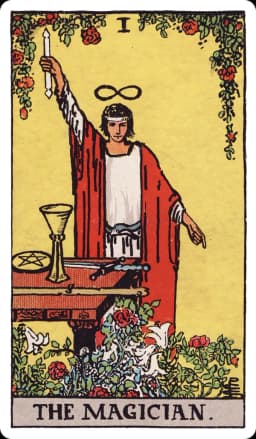
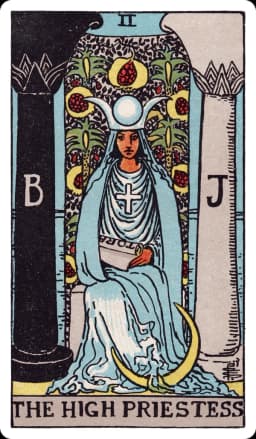
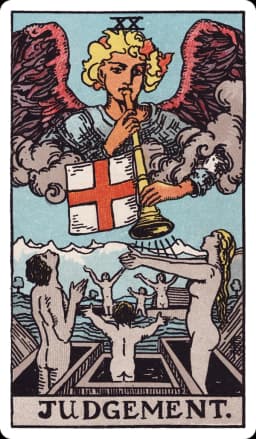
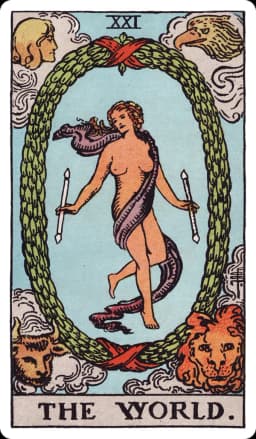
The sequence from 0 to 21 is usually read as loosely biographical: an arc of a life, or of any single significant undertaking, rather than a strict day-by-day itinerary. The Fool (0) begins outside the numbered sequence entirely, representing pure potential before any lesson has been learned. The Magician (I) and High Priestess (II) introduce the first paired opposites — active will and receptive intuition — a pattern of paired, complementary forces that recurs throughout the sequence (Justice's external accountability against the Hanged Man's internal surrender; the Sun's clarity against the Moon's confusion). The middle cards, roughly Strength through Temperance, deal with the harder internal work of the journey — courage, solitude, endings, integration — before the final third (the Devil through the World) stages a dramatic collapse-and-rebuild: the Devil's entrapment, the Tower's sudden upheaval, and then the recovery sequence of the Star, Moon, and Sun leading to Judgement's reckoning and the World's completion. It's worth being honest that this is a reading convention rather than a claim about the deck's actual documented origin — the RWS deck's 1909 publication didn't come with an author's note establishing the Fool's Journey as intentional; the framework was developed and popularized by later tarot writers who found it a genuinely useful way to organize the sequence's clear thematic arc, and it remains the most common lens for reading the Majors as a connected set rather than 22 unrelated cards.
Reading These Cards Together
When two or more Major Arcana cards turn up together in a spread, the useful move is usually to read them as chapters of the same underlying story rather than as separate, competing signals — ask what stage of a single arc each one represents, and whether they're describing a beginning, a struggle, or a resolution phase of the same theme. A Fool paired with a Tower, for instance, isn't necessarily contradictory (naive optimism against sudden collapse); read together, they can describe a leap taken without enough groundwork, the upheaval that follows being the direct, foreseeable consequence of the leap itself. Cards from opposite ends of the numbered sequence, like the Magician (I) and Judgement (XX), can describe a long arc completing — a deliberate action taken near the start of a chapter now being reckoned with near its close. It's also worth checking whether the Majors drawn cluster around a particular stretch of the sequence: several cards from the Devil-through-World stretch together suggest someone is deep in the collapse-and-rebuild portion of a life change, while a cluster from the earlier Magician-through-Chariot stretch suggests someone still building foundational will and direction. Because Major Arcana cards carry more overall symbolic weight than Minors, a spread with several Majors benefits from slowing down on each one rather than reading quickly through the full layout — each card here is doing more narrative work than a typical pip card, and rushing tends to flatten distinctions between cards that actually mean quite different things.
Cards in this group
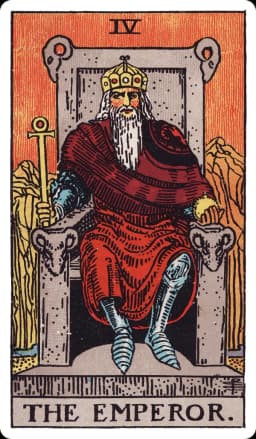
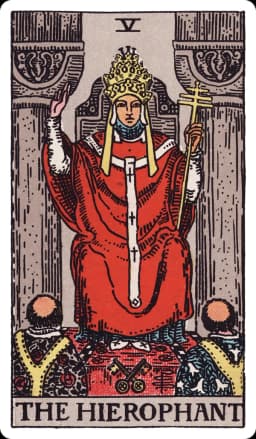
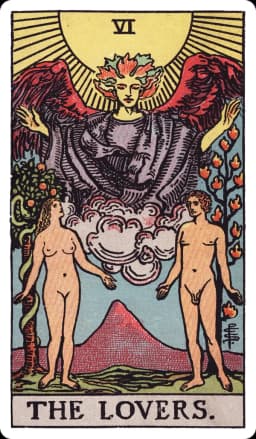
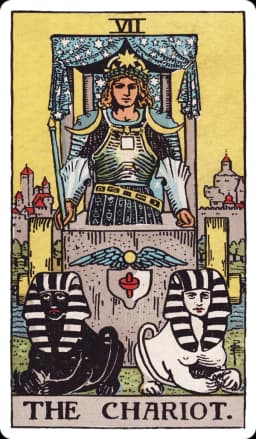
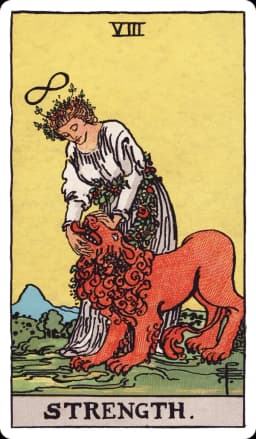
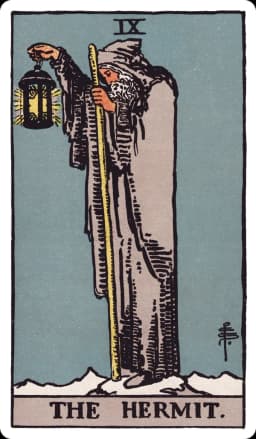
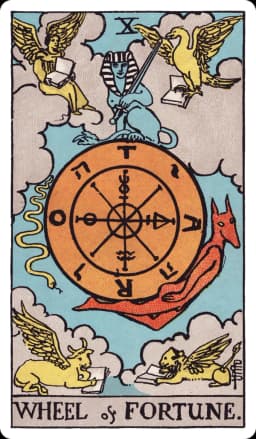
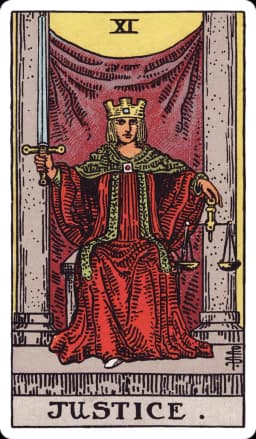
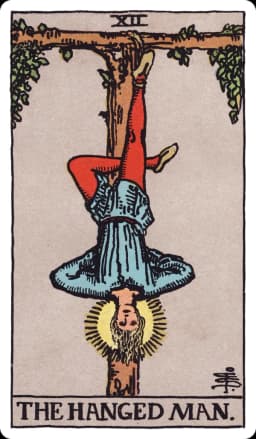
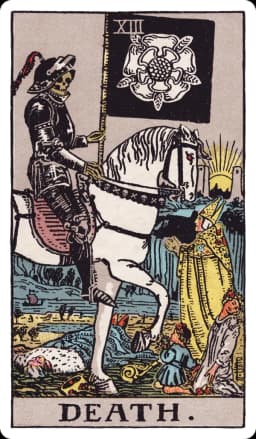
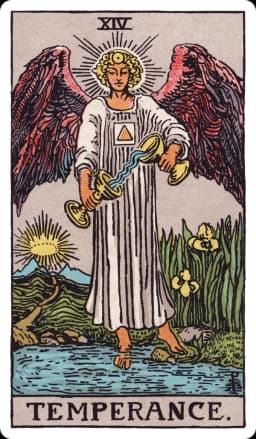
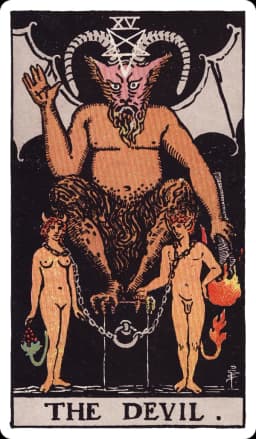
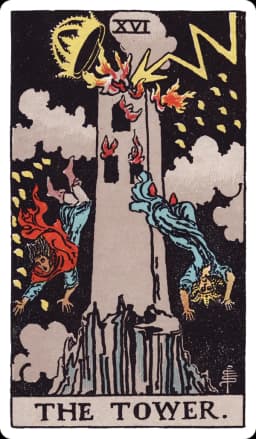
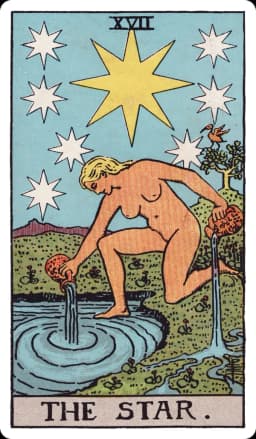
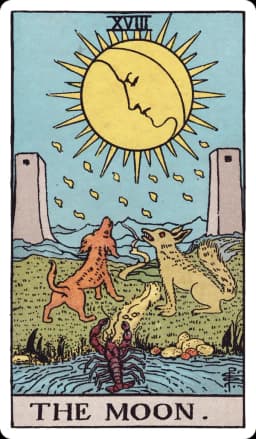
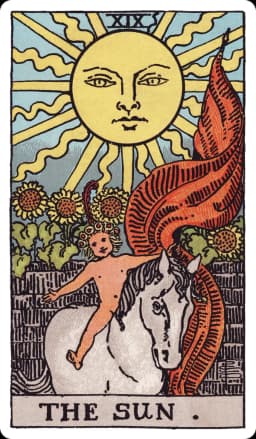
Notable Cards Worth a Closer Look
A few Majors are worth knowing well before the rest, either because they anchor the sequence's structure or because they're among the cards most likely to reshape how a whole reading gets interpreted.
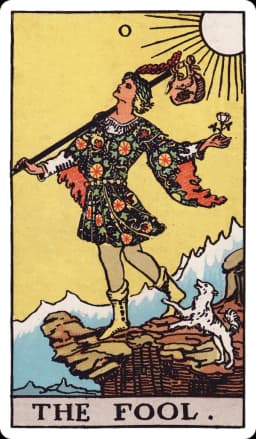
- The Fool — the unnumbered starting point of the whole sequence, and the card every other Major is traditionally read as a stage of.
- Death — the deck's most misunderstood card — almost never a literal prediction, and one of the clearest examples of why Major Arcana imagery needs to be read symbolically rather than literally.
- The Tower — the sequence's sharpest single moment of upheaval, and the hinge point between the Devil's entrapment and the Star's recovery.
- The World — the sequence's closing card, completing the arc the Fool opens — worth reading as a pair with the Fool to see the journey's full shape.
Common Questions
Do I need to know all 22 Major Arcana cards to read tarot well?
No — plenty of readings involve mostly or entirely Minor Arcana cards, especially ones about everyday situations rather than life-altering questions. Learning the Majors deeply matters most for readings that already feel weighty, since that's when they tend to show up.
Is a reading with many Major Arcana cards always more serious?
It's usually a sign the underlying theme runs deeper than the specific question asked — worth treating as a cue to look at the bigger pattern rather than only the immediate circumstance. It doesn't necessarily mean bad news; several of the Majors (the Sun, the Star, the World) are among the deck's most favorable cards.
What's the difference between a Major Arcana card and a Minor Arcana card with a similar theme?
The Major usually names the deeper, more persistent pattern, while the Minor names its specific, situational expression. The Devil and the Eight of Swords both describe a kind of trap, for instance, but the Devil points to an entrenched, identity-level pattern, where the Eight of Swords more often describes a specific, situational bout of anxious or narrowed thinking.
Is the Fool's Journey a traditional part of tarot, or a modern invention?
It's a widely used interpretive framework rather than a documented instruction from the RWS deck's original 1909 publication. It's genuinely useful for seeing the Majors as a connected arc, but it's worth knowing it's a reading convention that later tarot writers developed, not a rule etched into the deck itself.