Minor Arcana · Swords
Four of Swords
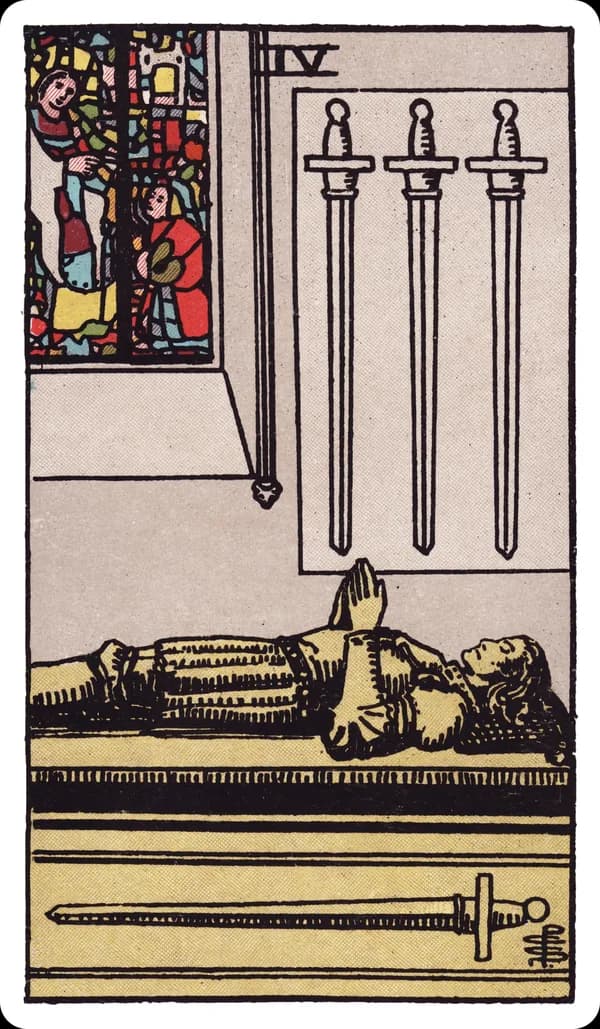
The Four of Swords is the deck's clearest picture of rest taken deliberately rather than rest forced by exhaustion — a carved stone knight lies still atop a tomb inside a quiet chapel, hands folded in prayer, eyes closed. Above him, three swords hang mounted on the wall, points downward, motionless; a fourth lies horizontal beneath the tomb itself, out of use rather than raised in defense. A stained-glass window rises behind him, catching colored light, depicting a smaller figure in a gesture of blessing. Nothing in the scene suggests danger has passed permanently — the swords are still there, ready to be taken up again — but for this exact moment, none of them are needed. Where the Nine of Swords depicts a mind unable to rest even in bed, the Four of Swords depicts genuine, chosen stillness: a body laid flat not from collapse but from intention, a conscious withdrawal from conflict in order to recover the strength conflict requires. It is a quiet card in a suit defined mostly by tension, and that quiet is precisely the point.
- Element
- air
- Ruling planet / sign
- Jupiter in Libra
- Suit
- swords
Numerology: Golden Dawn title "Lord of Rest from Strife" — Jupiter's expansive, restorative quality landing in Libra's decan turns this stage of the suit's journey into deliberate recovery rather than continued struggle.
Upright Meaning
Upright, the Four of Swords is one of the deck's clearest permission-giving cards: rest, actually taken, after a period of real effort or real conflict. It favors stepping back deliberately — from a fight, a decision, a demanding stretch of work — not to avoid the underlying issue permanently, but to recover enough strength or clarity to face it properly when the pause ends. This isn't passive collapse; the effigy's folded hands suggest something closer to meditation or prayer, a conscious, chosen stillness rather than an exhausted crash. In a reading, its presence often means the honest next step is to actually stop — not push through, not multitask the recovery, just genuinely rest — even if that feels unproductive or indulgent in the moment. It can also describe a literal period of solitude or retreat: time alone, a period of illness requiring real recovery, or simply the deliberate choice to withdraw from a stressful situation before returning to it with a clearer head.
Reversed Meaning
Reversed, the Four of Swords usually describes rest that isn't happening, despite being badly needed — pushing through exhaustion, refusing to stop, or treating a genuine need for recovery as a weakness to override. It's one of the deck's clearer burnout cards: not a warning about future exhaustion, but a description of exhaustion that has already arrived and is being ignored. It can also describe rest forced rather than chosen — an illness, an injury, or a circumstance that finally stops you when you wouldn't stop yourself, the pause taken out of your hands entirely. A different, more restless reading applies when someone has technically stopped but can't settle: lying still while the mind keeps working, unable to actually let go of the conflict the body has physically stepped back from. Distinguishing which reading fits usually comes down to the surrounding cards and honest self-assessment — ones suggesting overwork point toward burnout being ignored; ones suggesting sudden interruption point toward rest being forced by circumstance.
Read the full reversed meaning →Symbolism
The effigy's folded hands are a traditional gesture of prayer and peace, not death — this is a knight in recovery, or in meditation, not a knight who has fallen in battle, even though the tomb setting invites that reading at first glance. The three swords mounted on the wall above him represent the conflicts set aside for now, still present and still real, but deliberately out of reach during this pause; they haven't disappeared, they've simply been hung up. The fourth sword, lying flat beneath the tomb rather than mounted with the others, is sometimes read as the specific battle or burden this rest is meant to address directly — the one sword closest to the body, set down rather than hung on display. The stained-glass window, with its small figure offering a blessing, connects the whole scene to a place of sanctuary — a chapel, not a battlefield — reinforcing that this pause is sacred and intentional, a retreat taken on purpose rather than a defeat suffered by accident.
The Four of Swords from the Rider-Waite-Smith deck: a stone effigy of a knight lies still atop a tomb inside a quiet chapel, hands folded in prayer, three swords mounted on the wall above point downward while a fourth lies horizontal beneath the tomb, a stained-glass window glowing behind him.
→ See what Jupiter in Libra means in your horoscope on GetMyHoro
→ Find your own life-path number on NumberAngel
In Love
In a love reading, the Four of Swords upright often points to a deliberate pause in a relationship, or in dating generally — not withdrawal out of disinterest, but a genuine need for space after an intense stretch, whether that intensity was conflict, a big decision, or simply emotional overload. For someone single, it can describe a conscious choice to step back from dating for a while, recovering from a previous relationship or from the general effort of putting yourself out there before trying again. For someone partnered, it can mean both people, or one specifically, needing real space — not as a prelude to ending things, but as a genuinely healthy pause after an intense period, whether that's a difficult conversation, a stressful shared circumstance, or simply the accumulated fatigue of sustained closeness. Reversed, the reading shifts toward a pause that isn't happening despite being needed — pushing through relationship exhaustion instead of taking real space, or a rest being forced by circumstance, such as illness or separation, rather than chosen deliberately by either person.
Read the full love meaning →In Career
At work, the Four of Swords favors a genuine break — actual time off, a slower period between projects, or a deliberate step back from a demanding stretch rather than pushing straight through it. It's a strong card for recognizing that recovery time is a legitimate part of sustainable work, not a luxury to feel guilty about, especially after a period of unusually high output or real workplace conflict. It can also describe a strategic pause before a big decision: taking time to actually think rather than reacting immediately to a job offer, a conflict, or a major project shift. Reversed, the career reading usually points to burnout that's being ignored — working through exhaustion, refusing to take earned time off, or treating rest as something to feel guilty about rather than something the work itself actually requires to stay sustainable. It can also describe rest forced by circumstance: an illness or a mandated leave stopping you when you wouldn't have stopped voluntarily, or a restless, unproductive kind of downtime where the body has paused but the mind hasn't.
Read the full career meaning →Money & Health — Reflection Themes
Money: As a theme for financial reflection, the Four of Swords upright favors a genuine pause on money decisions — deliberately stepping back from an active financial situation to think clearly rather than reacting under pressure or fatigue. It can describe the wisdom of not making a major financial choice during a period of exhaustion or emotional strain, when judgment tends to be worse than it feels in the moment. It's also sometimes read as permission to rest from constant financial vigilance for a short, deliberate stretch — not abandoning responsibility, but recognizing that even careful money management benefits from an occasional conscious break rather than nonstop monitoring. Reversed, the card can point to financial exhaustion that's being ignored: continuing to grind through money stress without any real recovery period, or refusing rest that a difficult financial stretch has genuinely earned. It can also describe a financial pause forced by circumstance — an emergency or a setback stopping normal spending or earning activity abruptly, rather than a deliberate, chosen slowdown.
Health: As a theme for reflection, the Four of Swords upright is one of the more literal health-related cards in the deck: real, deliberate rest, taken because the body or mind genuinely needs recovery time rather than more pushing through. It favors actual downtime over the appearance of productivity — sleep, quiet, time away from stimulation, or simply permission to do less for a defined stretch while something heals, physically or mentally. It's a strong card for recognizing recovery as necessary rather than optional, especially after a period of sustained stress or exertion. Reversed, the card usually points to exhaustion being ignored: pushing through fatigue, illness, or burnout instead of actually resting, often until the body or mind forces a stop that wasn't chosen voluntarily. It can also describe a restless kind of non-rest — physically still but mentally unable to settle, lying down without actually recovering because the underlying stress hasn't been addressed, only paused on the surface while continuing underneath.
Spiritual Meaning
Meditation and prayer sit close to the surface of this card's spiritual reading, and its imagery leans into that directly — a figure at rest in a sanctuary, hands folded, temporarily set apart from ordinary conflict in order to reconnect with something quieter and more essential. In a spiritual context, the Four of Swords often marks a deliberate retreat: time set aside for reflection, silence, or simply disengaging from noise long enough to hear something that noise usually drowns out. It's a card that treats stillness as active rather than passive — not an absence of spiritual work, but a specific and necessary kind of it, the same way physical rest is an active part of physical recovery rather than a gap in it. The stained-glass blessing overhead suggests this pause is supported by something larger than personal willpower alone. Reversed, the spiritual reading points to resisting that stillness: staying busy, staying distracted, or treating quiet reflection as unproductive time rather than as the genuine spiritual practice this card frames it to be.
Yes or No?
For yes/no questions, the Four of Swords upright leans toward a 'no' — though a specific, softer kind: less 'this won't happen' and more 'not now, and not without rest first.' This card describes a pause, and a decision or event forced into a moment better suited for recovery tends to go worse than the same decision made after real rest. If your question concerns whether to act immediately on something, this card is a fairly clear suggestion to wait, recover, and revisit the question once you're not operating from exhaustion or unresolved conflict. Reversed, the reading shifts toward urgency arriving whether you're rested or not — a decision or event forced by circumstance despite exhaustion, which can tip the practical answer toward 'yes, but under worse conditions than ideal.' Either way, this card is one of the deck's clearer signals that the timing of a yes/no question matters as much as its content — asking again after a genuine period of rest often produces a different, more reliable answer than the one available right now.
Read the full yes-or-no breakdown →Frequently Asked Questions
Is the Four of Swords a card about death?
No, despite the tomb setting, which misleads some readers at first glance. The folded hands are a gesture of prayer and peace rather than death, and most tarot traditions read this card as recovery and deliberate rest, not an ending. The tomb imagery represents a sanctuary for stillness, not a literal death.
The Four of Swords and the Hanged Man both show a pause — what actually separates them?
Both involve a pause, but for different reasons. The Hanged Man is a voluntary surrender of control to gain a new perspective — suspended, waiting, seeing things differently. The Four of Swords is recovery after exertion — resting specifically to regain strength, not to gain a new viewpoint. One is about perspective; the other is about repair.
Does the Four of Swords mean I need a vacation?
It can, though a literal trip isn't required for the card to apply — what matters more is whether the swords stay mounted on the wall for the full stretch, meaning the conflicts genuinely stay set aside rather than getting checked on by phone or email the whole time. A vacation that's really just work relocated doesn't satisfy this card's meaning.
Is reversed Four of Swords always about burnout?
Burnout is its most common reversed reading, but not the only one — it can also describe rest forced by illness or circumstance, or a restless kind of stillness where the body has stopped but the mind hasn't. All three variations share the same core problem: needed rest not actually happening in a genuine way.
Related Cards
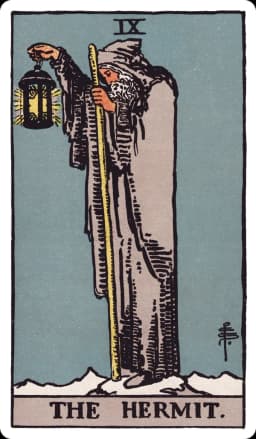
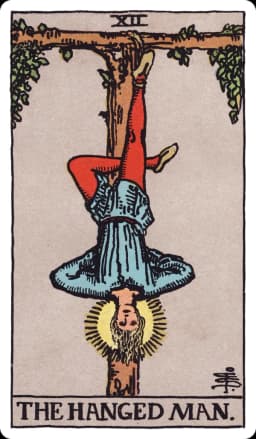
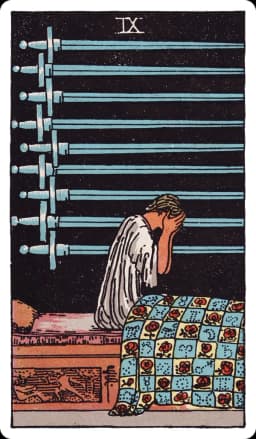
Spreads that read Four of Swords
- Mind-Body-Spirit Spread — 3 positions, beginner
- Health & Wellness Reflection Spread — 4 positions, beginner
Where Four of Swords sits in the deck
Card correspondences sourced from the Hermetic Order of the Golden Dawn tradition — see our methodology.